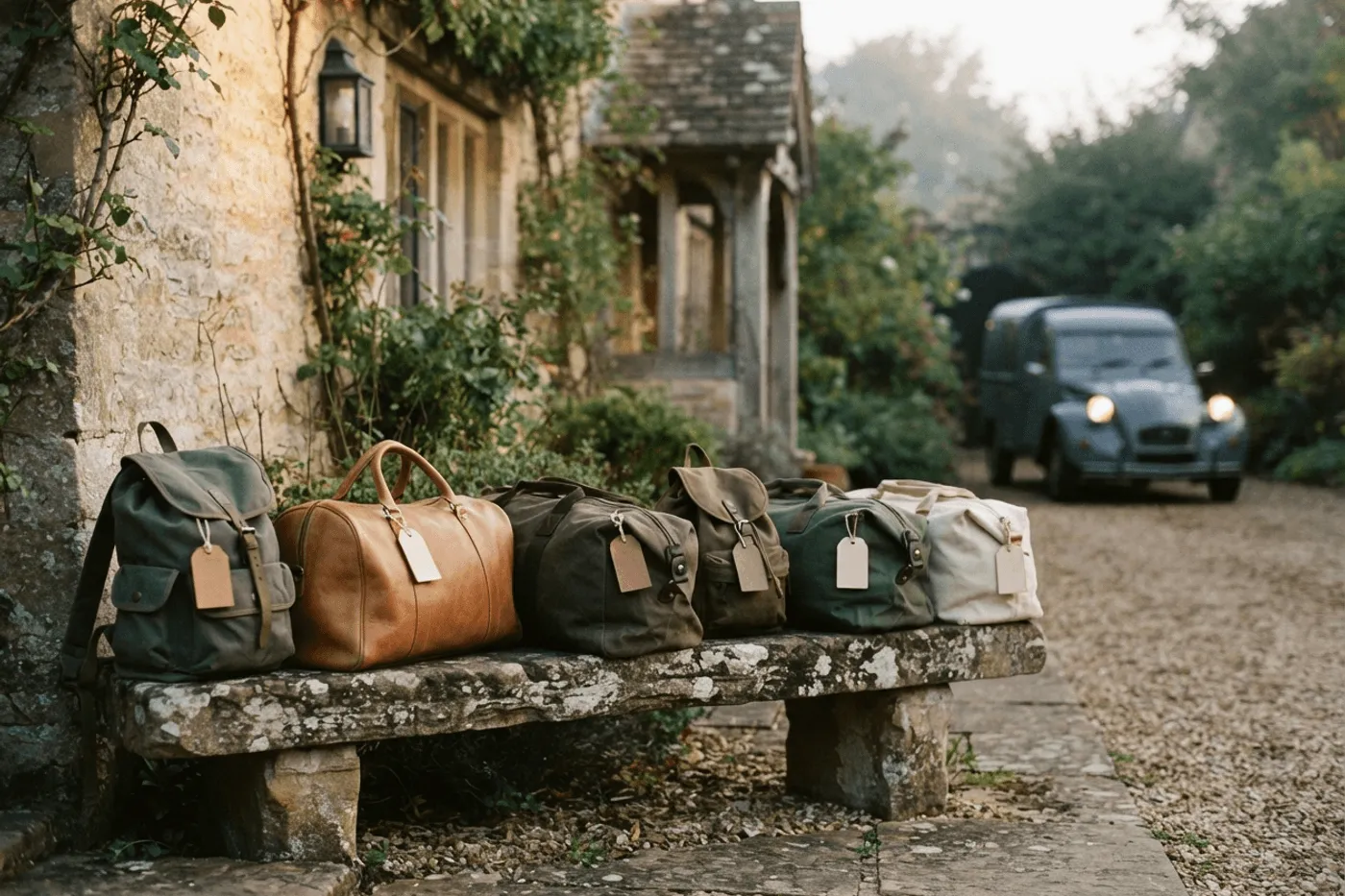
Luggage transfer
Luggage transfer on the Alta Via 1
There is no stage-by-stage bag transfer on Alta Via 1; you carry your own pack between the rifugi for the whole traverse.
What does exist is worth knowing, because it solves most of the problem. Hotels in the Braies and Dobbiaco area hold suitcases for guests who stay the night before starting, often for the full duration of the walk. Italian couriers and private drivers will forward a case from the north of the route to Belluno or Cortina, typically within one to three working days for a courier or the same day for a driver. And taxis serve the road passes the route crosses, so an emergency bag can be handed over there. None of it is a daily service between huts.
Before or after the walk
Tours and visits in Venice
A few well-rated options near Alta Via 1, for the rest days either side of the trail. Prices are the provider’s current starting price.
 St. Mark's Basilica + Doge's Palace Tour & Ticketsfrom €108See details ↗
 Rialto & Jewish Quarter Tourfrom €18See details ↗
 Vivaldi's Four Seasons Concertfrom €34See details ↗
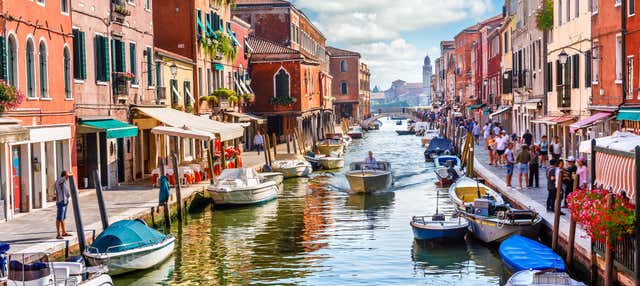 Murano & Burano Day Trip + Glass-Blowing Showfrom €31.90See details ↗
Affiliate links: if you book through them we may earn a commission, at no extra cost to you. It never changes our stage, distance or luggage information. (Civitatis) How the project is funded
The geography allows nothing else. Alta Via 1 runs the crest south from Lago di Braies through the Fanes plateau, over Lagazuoi, past Nuvolau, along the Civetta and Moiazza walls and down to the Schiara above Belluno. Road access touches the route at Passo Falzarego, Passo Giau, Passo Staulanza and Passo Duran, and nowhere else. Between those gaps the only tracks are mule paths, ladders and scree. Rifugio Lagazuoi is the single exception where a bag can realistically be brought up, because the cable car from Falzarego runs to the door.
So the pack is the plan. Eight to ten kilos is normal and achievable, because the huts remove most of the weight for you: blankets and pillows are provided, so a lightweight sleeping liner replaces a sleeping bag; half board removes stove, pans and most food; and taps or fountains at each rifugio remove the need to carry more than a litre or two between them. What stays is warm and waterproof clothing for 2,700 m, a head torch, a small first aid kit, sun protection, cash for the huts, and a light helmet and via ferrata set if you take the exposed variants.
Rifugi open from around mid-June to mid or late September. Booking opens in spring and the well-placed huts — Lagazuoi, Nuvolau, Coldai, Tissi — fill within weeks, so the itinerary is settled long before the walk. Fit the luggage arrangements around it afterwards: agree storage with the hotel where you sleep before Lago di Braies, and confirm the delivery address in Belluno or Cortina if you are forwarding a case. If bad weather forces you off at Falzarego or Duran, buses run down to Cortina and Agordo and your stored bag is unaffected.
What it costs
Storage at a hotel is often free for guests, or roughly €5 to €10 per bag per day otherwise. Forwarding a suitcase from the Braies valley to Belluno by courier or private driver commonly falls between €40 and €90, depending on distance and speed. Taxi transfers to the road passes cost considerably more. Confirm current rates directly.
Which stages work
No section of the route supports daily bag transfer. Vehicles reach the trail only at Passo Falzarego, Passo Giau, Passo Staulanza and Passo Duran, and the Lagazuoi cable car is the one lift that could carry a bag to a hut. Everything from Rifugio Biella to Rifugio Pian de Fontana is foot access.
Frequently asked
Can my bag be moved between rifugi?
No. Almost every hut on Alta Via 1 is reached only on foot, and the ones that supply by cable car or helicopter do so for food and fuel, not guest luggage. Any service advertising hut-to-hut transfer in the Dolomites is almost certainly moving bags between valley hotels on a different itinerary.
Where should I leave a suitcase during the walk?
With the hotel where you stay before starting, in Villabassa, Dobbiaco or Braies, if they will keep it. Otherwise use a station left-luggage facility or forward the case ahead to your hotel in Belluno or Cortina, where you will end up anyway. Agree it by email in advance and keep the confirmation.
Do I need a sleeping bag for the rifugi?
No. Italian mountain huts supply blankets and pillows and require a personal liner for hygiene, so a silk or lightweight synthetic liner weighing a couple of hundred grams is enough. That single decision saves more weight than anything else you can do. Bring earplugs; the dormitories are shared and often full.
How heavy will my pack actually be?
Around eight kilos for most walkers taking half board, closer to ten with a via ferrata set, a helmet and extra layers for a cold spell. Carrying more than twelve is a sign of packing for a camping trip rather than a hut traverse. Cash for the rifugi is worth its weight; card payment is not universal.
Check your route
Each trail guide states plainly how transfer works on that route.