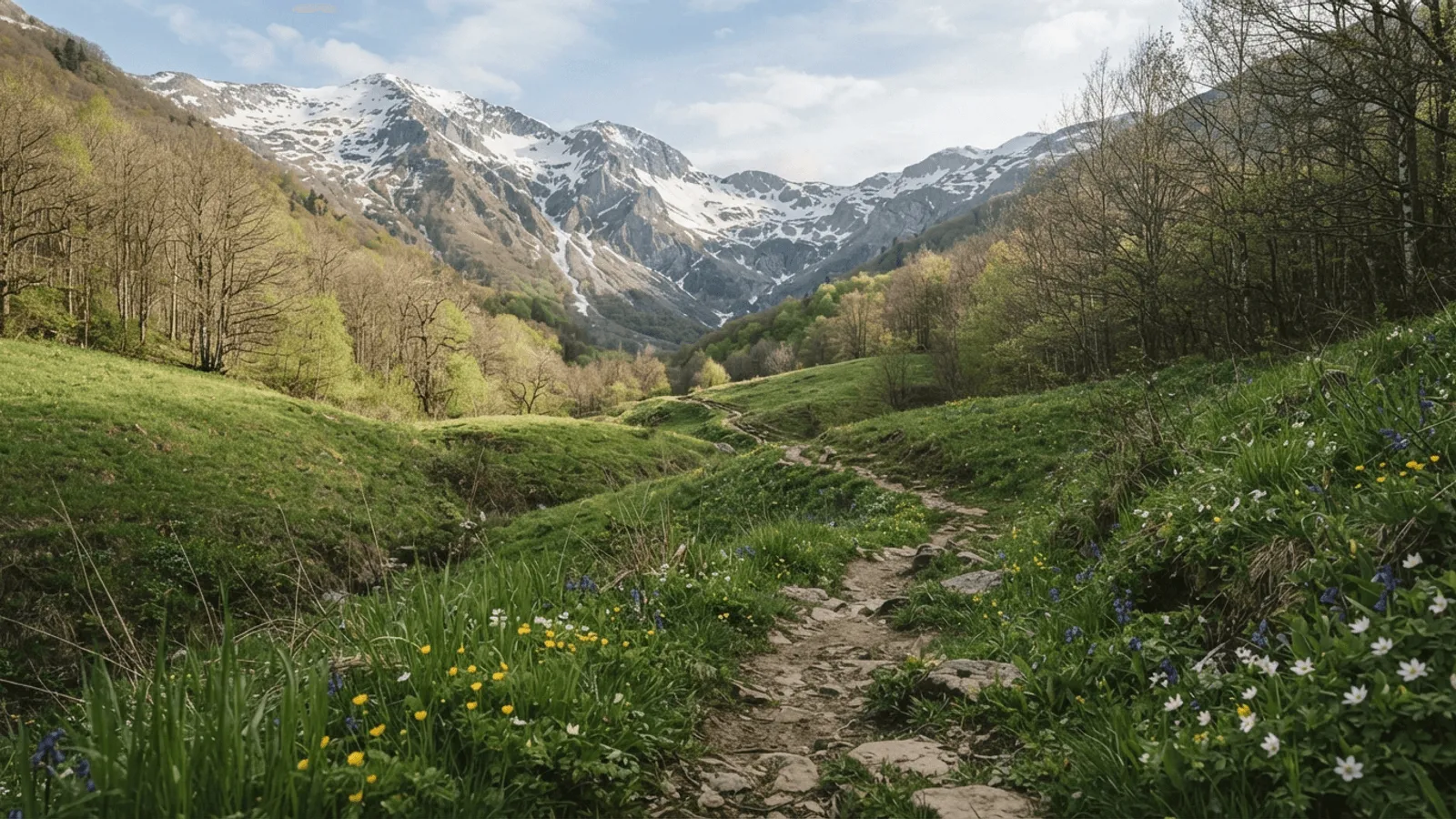
When to go
Best time to walk the Camino de Santiago
April to October is the walking season, with May, June and September usually giving the steadiest balance of weather and beds.
Two features set the calendar on the Camino Francés: the Pyrenees at the beginning and the Meseta in the middle. The Route Napoléon out of Saint-Jean-Pied-de-Port crosses open ground above 1,400 m and is normally closed through winter, roughly from early November to the end of March, with the lower Valcarlos road route used instead. Between Burgos and León the plateau offers almost no shade and few villages with services. Galicia, at the far end, records rain in every month of the year, which is why the last week rarely stays dry.
July and August are the loudest months. Spanish holidays overlap with the international season, school groups appear, and the final 100 km from Sarria carries several times the traffic of the earlier stages because that is the minimum distance for a Compostela. In practice crowding means the bed race rather than a crowded path: walkers leave at five in the morning to secure a place, municipal albergues fill by early afternoon, and the villages between Sarria and Santiago feel closer to a busy footpath than a pilgrimage. Holy Years, when 25 July falls on a Sunday, add another layer.
The shoulder months trade company for comfort. April and early May give green fields, full rivers and reliable services, but also the wettest walking of the season and mud on the clay tracks past Hornillos. Late September and October are the reverse: harvest light, thinning crowds, warm afternoons, and a steady drift of private albergues closing for the year from mid-October onwards. March and November are walkable but genuinely quiet, with the Pyrenees crossing restricted, shorter daylight and long gaps between open beds.
Plan around three patterns rather than a forecast. Meseta summer afternoons commonly sit in the mid-thirties Celsius and the sun is unbroken from León back to Burgos, so most summer walkers finish by one o’clock. Spring and autumn bring Atlantic fronts that cross Navarra and Galicia in bands of a day or two. Galician rain is persistent rather than dramatic, so waterproofs matter more than a heavy jacket. Nights on the plateau stay cool even in June. All of this is typical, not guaranteed.
City days
On arrival in Santiago de Compostela
Guided visits and day trips from Santiago, for the day after you collect the Compostela. They are city visits, not a Camino package: the walk itself is not included.
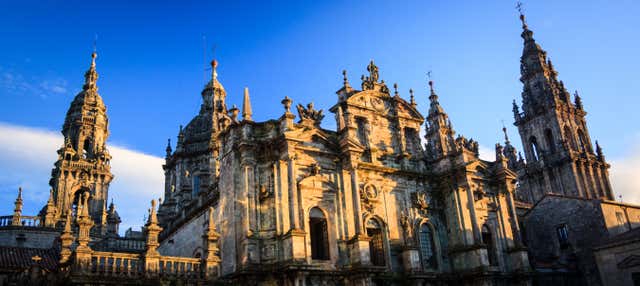 Santiago de Compostela Free Walking TourSee details ↗
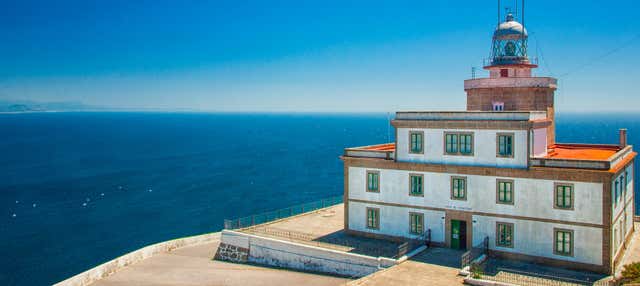 Finisterre, Muxía, & Costa da Morte Day Tripfrom €52See details ↗
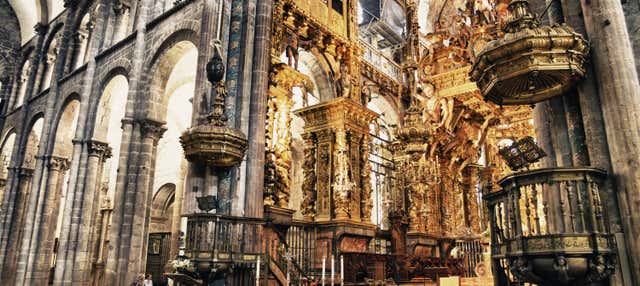 Santiago de Compostela Cathedral & Museum Guided Tourfrom €25See details ↗
Affiliate links: if you book through them we may earn a commission, at no extra cost to you. It never changes our stage, distance or luggage information. (Civitatis) How the project is funded
Before or after the walk
Walk it with luggage transfer included
Self-guided packages on Camino de Santiago: a hotel booked at the end of each stage and your bag moved ahead every morning. Prices are the provider’s current starting price.
 Camino Francés from Sarria: 7 days with hotels and bag transferfrom €945See details ↗
 Self-guided Camino Francés from Sarria: 8 days, 6 walkingfrom €2,701.20See details ↗
Affiliate links: if you book through them we may earn a commission, at no extra cost to you. It never changes our stage, distance or luggage information. (Viator) How the project is funded
Month by month
Typical conditions through the year. Weather varies from season to season, so treat this as a planning guide and check the forecast close to your dates.
- January Off season
Cold, wet and thinly served. The Pyrenees crossing is restricted and many private albergues stay shut.
- February Off season
Still winter on the Meseta, with hard frosts, short days and long stretches between open accommodation.
- March Shoulder
Services reopen gradually. Wet underfoot, few walkers, and the high Pyrenees route usually still closed.
- April Prime
Green, cool and pleasant walking, with rain likely and Easter briefly filling beds along the whole route.
- May Prime
Long days, wildflowers on the Meseta and comfortable temperatures. One of the two strongest months.
- June Prime
Maximum daylight and mostly settled weather, though the plateau starts to feel genuinely hot by midday.
- July Shoulder
Hot and busy. Meseta afternoons are punishing and the Sarria stretch is at its most crowded.
- August Shoulder
Peak Spanish holiday month: hottest walking, fullest albergues and the earliest starts of the year.
- September Prime
Heat eases, crowds thin after the first week, and light turns golden. Many walkers’ favourite month.
- October Prime
Cool, quiet and often clear inland, though Galicia turns wet and some private albergues begin closing.
- November Shoulder
Walkable with planning, but daylight is short, rain frequent and open beds increasingly far apart.
- December Off season
Deep off-season. Snow is possible on the Pyrenees and in León, and services are minimal.
The sweet spot
Mid-May to mid-June, or the second half of September. Both give long daylight, workable temperatures on the Meseta and full services, without the August heat or the worst of the bed race from Sarria.
Outside the season
From November to March the Route Napoléon over the Pyrenees is normally closed and the Valcarlos alternative is the sanctioned way in. Many private albergues shut, so daily distances become dictated by which municipal hostel is open. Snow affects O Cebreiro and the Montes de León, and daylight limits you to about eight walking hours. Winter walking is realistic for experienced, flexible walkers, not for a first Camino.
Frequently asked
Can I walk the Camino de Santiago in winter?
Yes, and a small number of people do every year, but it is a different walk. The Pyrenees route over the Col de Lepoeder is normally closed from November to March, private albergues largely shut, and snow can affect O Cebreiro and the Montes de León. Expect long gaps between open beds, short daylight, and the need to carry more.
Which month is quietest on the Camino Francés?
January and February are emptiest by a wide margin, though services are scarce. Among months with normal services, late October and early November are the quietest realistic choice, and March is quiet before the Easter surge. Even in the quiet months, the final 100 km from Sarria carries far more walkers than the stages before it.
Is July or August too hot for the Meseta?
Not impossible, but demanding. Afternoon temperatures on the plateau between Burgos and León commonly reach the mid-thirties Celsius with almost no shade. Walkers who go in high summer typically start before sunrise and finish by early afternoon, carry two to three litres, and plan shorter stages. Conditions vary year to year, so check a forecast before committing to long days.
When should I book if I walk in high season?
Municipal albergues do not take bookings, so the real question is whether you can accept arriving without a bed. In July, August and Holy Years, many walkers reserve private albergues or pensions a few days ahead as they go. If you want a fixed itinerary with rooms confirmed, several months of lead time is normal for the summer.
Pick a trail.
No sign-up, no sales call. Just the data, the sources and the links you need to plan a long walk properly.