When to go
Best time to walk the Rota Vicentina
March to October is the season, with spring and early autumn giving the most comfortable walking on the coast.
The Rota Vicentina is coastal and low — nothing rises much above 150 m — so the season is decided by heat, wind and daylight rather than by terrain. The Fisherman’s Trail runs on cliff-top sand for long stretches, and soft sand in strong sun is the hardest part of the whole route. From June the nortada, the persistent northerly summer wind off the Atlantic, blows hard along this coast most afternoons, which cools you but pushes sand and makes southbound walking noticeably easier than northbound.
August is the crunch month, and the pressure comes from Portuguese holidays rather than from walkers. Vila Nova de Milfontes, Zambujeira do Mar and Odeceixe are beach towns, and in August they are full, expensive and booked out; the trail itself may be quiet at eight in the morning while the accommodation is impossible. Spring is the walkers’ peak, when guided groups and independent walkers overlap in April and May, and the small guesthouses in the inland villages of the Historical Way fill faster than the coastal hotels.
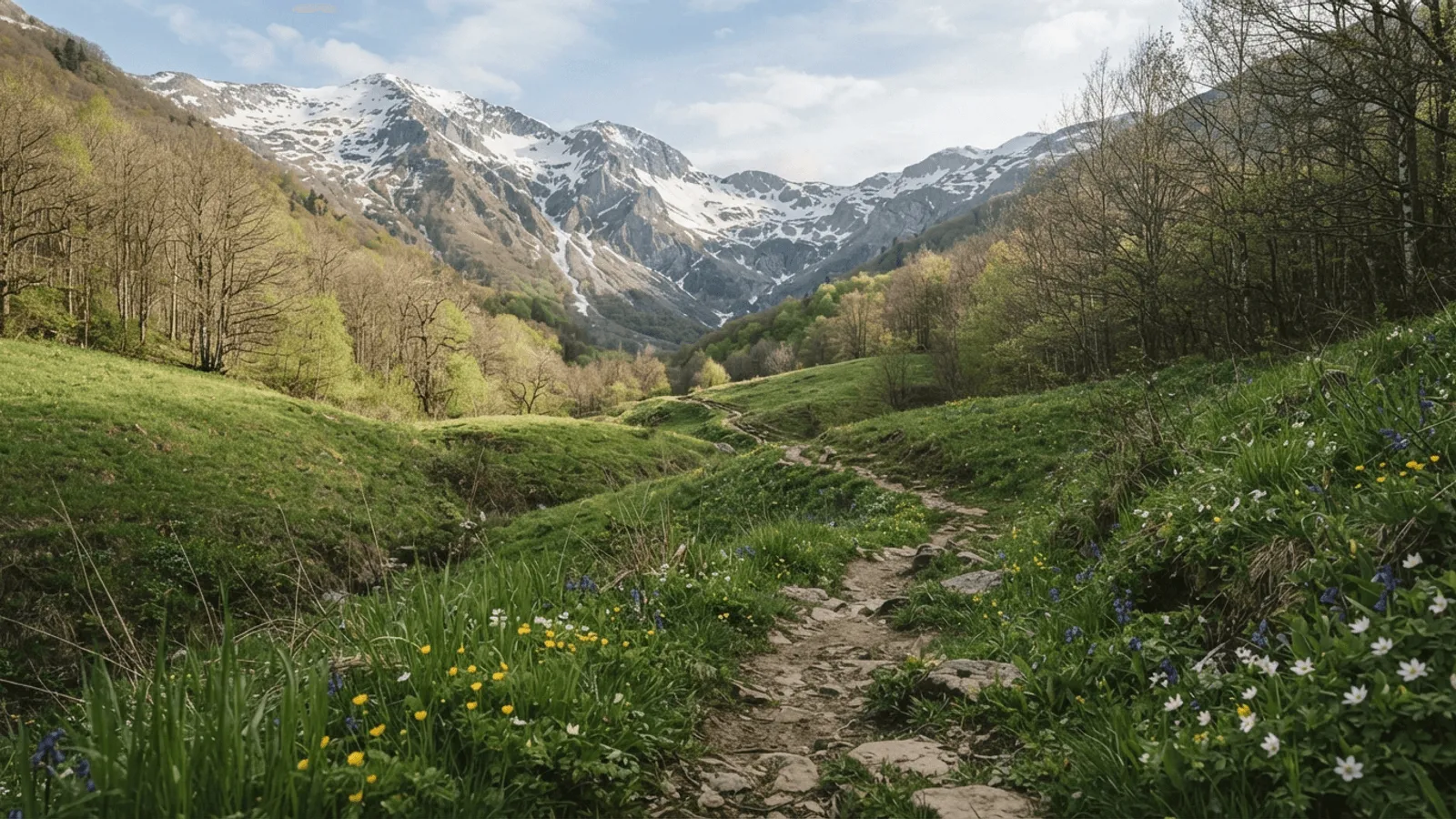
The shoulder months are February, November and the edges of the season, and the trade is weather for solitude. Late winter and early spring bring the wildflowers this coast is known for and green cliffs, with a real chance of rain and Atlantic storms that make exposed cliff sections unpleasant. November is mild, empty and often bright, but seasonal cafés and some guesthouses close, and the days grow short for the 22 km stages. June and July sit awkwardly: dry and reliable, but hot and windy on the open cliffs.
The patterns to plan for are sun exposure and wind. Summer afternoons commonly reach the high twenties or low thirties Celsius inland on the Historical Way, while the coast stays cooler thanks to the sea; there is almost no shade on the Fisherman’s Trail, so a hat and two litres are basic. Winter rainfall is concentrated between November and February. Sea mist can settle on the cliffs on summer mornings. Treat these as typical patterns rather than a forecast.
Before or after the walk
Tours and visits in Lagos
A few well-rated options near Rota Vicentina, for the rest days either side of the trail. Prices are the provider’s current starting price.
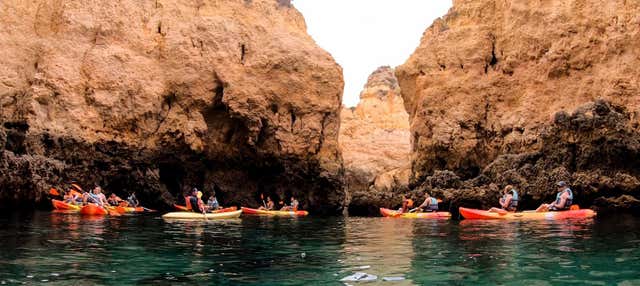 Ponta da Piedade Caves Kayak Tourfrom €35See details ↗
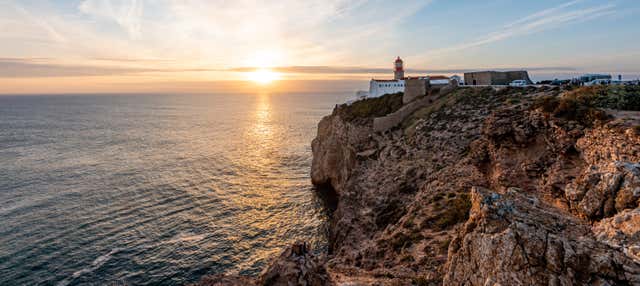 Sagres Coast Sunset Jeep Tourfrom €63See details ↗
Affiliate links: if you book through them we may earn a commission, at no extra cost to you. It never changes our stage, distance or luggage information. (Civitatis) How the project is funded
Month by month
Typical conditions through the year. Weather varies from season to season, so treat this as a planning guide and check the forecast close to your dates.
- January Off season
Wettest and windiest month. Cliff sections are exposed to Atlantic storms and many cafés are shut.
- February Shoulder
Mild between fronts, with the first wildflowers appearing and very few other walkers on the coast.
- March Prime
Season opens properly: green cliffs, flowers everywhere, cool walking and rain still possible.
- April Prime
Arguably the finest month. Wildflowers at their peak, mild days and everything open along the coast.
- May Prime
Long light, warm but not hot, and dry sand underfoot. Guided groups make beds worth booking early.
- June Shoulder
Reliable weather, but heat builds inland and the northerly summer wind sets in along the cliffs.
- July Shoulder
Hot, bright and shadeless on the sand. Fine with early starts; the wind is a constant companion.
- August Shoulder
Portuguese holiday peak. Walking is manageable at dawn, but coastal accommodation is full and costly.
- September Prime
Warm sea, easing crowds, softening wind. One of the two best months on the whole route.
- October Prime
Comfortable temperatures and quiet beaches, with the first Atlantic fronts arriving late in the month.
- November Shoulder
Mild and almost empty, offset by shortening days, more rain and seasonal businesses closing.
- December Off season
Short days and frequent storms off the Atlantic. Few services open along the coastal villages.
The sweet spot
April, or the second half of September. April gives wildflowers, mild air and green cliffs; September gives warm sea, quiet villages and softer wind, both without the August accommodation squeeze or the midsummer heat.
Outside the season
Little closes in winter: the trail is waymarked and public all year. The Atlantic reshapes it anyway. December and January bring the heaviest rain and strongest storms, and the cliff-top sections of the Fisherman’s Trail are fully exposed. Seasonal cafés, campsites and some guesthouses in smaller villages shut until spring, so resupply and beds need planning. Daylight allows around nine hours, which is tight for the longer coastal stages.
Frequently asked
Can I walk the Rota Vicentina in winter?
Yes, and it is one of Europe’s more realistic winter coastal walks because the climate is mild and there is no snow. The costs are Atlantic storms, which are genuinely unpleasant on exposed cliff-top sand, frequent rain in December and January, and the closure of many seasonal cafés and guesthouses. Plan shorter stages, book ahead, and keep a flexible day for bad weather.
Is August too hot for the Fisherman’s Trail?
The heat is manageable because the sea breeze keeps the coast cooler than inland, and most people walk early. The bigger problem is that August is the Portuguese holiday month: Milfontes, Zambujeira and Odeceixe are full, prices rise sharply, and beds can be impossible at short notice. If you must go in August, reserve everything months ahead and start at first light.
How much does the summer wind matter?
More than most people expect. From roughly June to September a persistent northerly blows along this coast, often strongest in the afternoon. It keeps temperatures down, which helps, but it drives sand and makes walking northwards into it tiring. This is one reason most people walk the Fisherman’s Trail from north to south, with the wind behind them.
Which month is quietest?
January and December are emptiest but poorly served. Within the season, late October and November are the quietest with most services still running, and February is quiet with the first flowers appearing. April, May and August are the busiest, though for different reasons: walkers and guided groups in spring, and domestic beach holidays in high summer.
Pick a trail.
No sign-up, no sales call. Just the data, the sources and the links you need to plan a long walk properly.