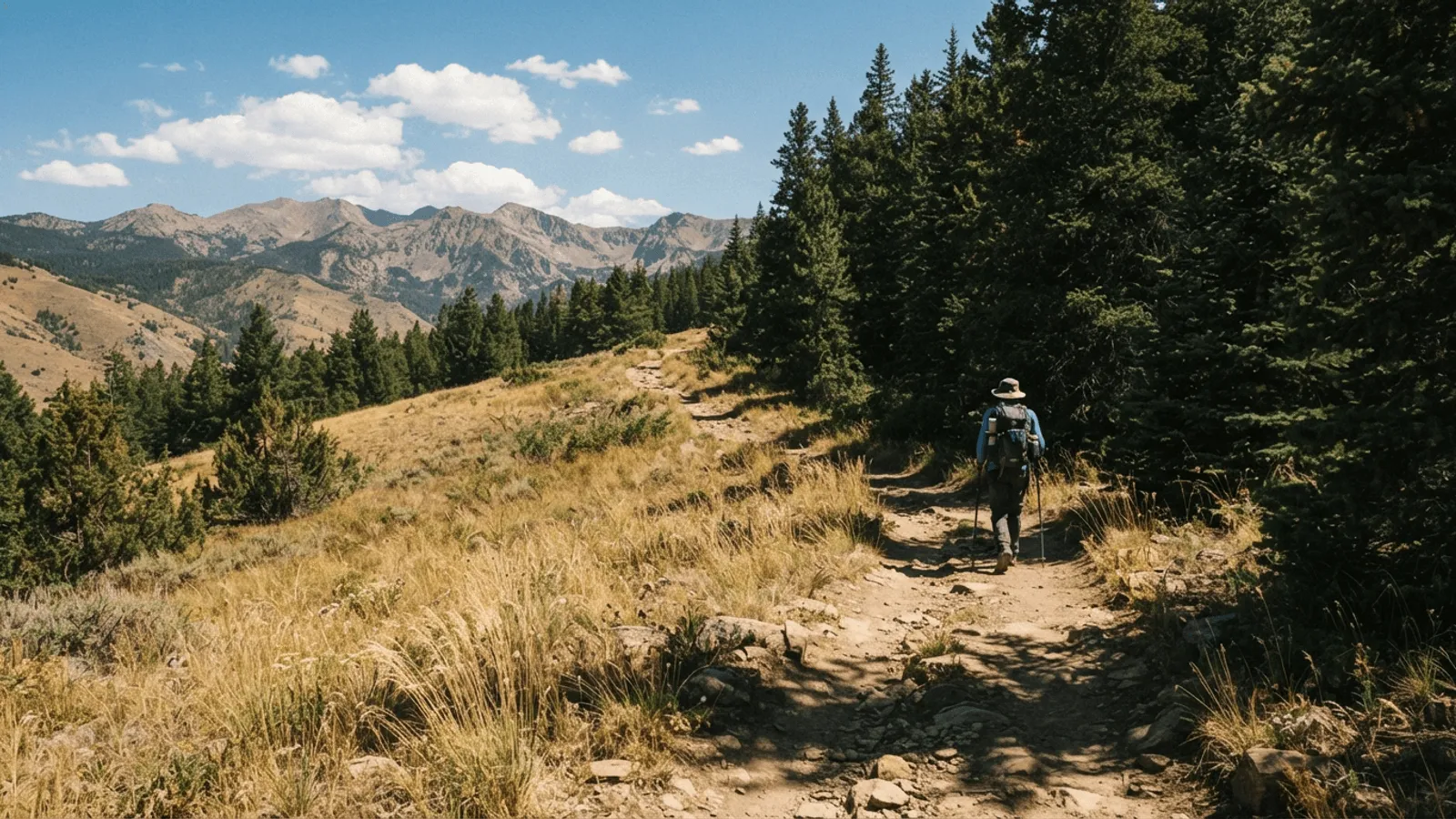
When to go
Best time to walk the GR20
Mid-June to late September is the window, with September usually the best mix of stable weather and space.
The GR20 has a short season for two reasons: snow and staffing. The route follows the spine of Corsica with repeated cols above 2,000 m, and north-facing couloirs on the northern half hold hard snow well into June, which is when most accidents on the route happen. The PNRC refuges are usually staffed from around early June to late September or early October, with exact dates varying year to year and confirmed by the park rather than assumed. Outside that band the buildings remain open as unstaffed shelter, but with no food, no gas and no guardian.
July and August are the peak, and on the GR20 the crowding is structural. Refuge capacity is fixed and small, camping pitches are limited, and the northern stages between Calenzana and Vizzavona funnel everyone through the same handful of sites, so the walk turns into a race to arrive and claim a place. Bookings for the summer are typically taken from spring and go quickly. It is also the hottest period, and heat on the exposed granite slabs of the northern section is a genuine performance problem, not just a discomfort.
The shoulder is mid-June and September, and the choice between them is real. June brings long daylight, running water at every source and green ground, but also the highest chance of residual snow at the Bocca Minuta and similar cols and the possibility that some refuges are not yet fully provisioned. September is drier and calmer, with far fewer people, but several water sources on the southern half can be reduced or dry by then, and the refuges begin winding down from late in the month.
Corsican summer weather is deceptively violent. Clear mornings frequently give way to afternoon thunderstorms over the ridge, and being caught on a slab or a cabled section in one is the main hazard on the route. Temperatures on the exposed northern stages can be very high in July while nights at refuges above 1,800 m stay cold. Wind funnels hard through the cols. Water availability drops steadily through August and September. All of this is typical behaviour, and any given season can differ.
Before or after the walk
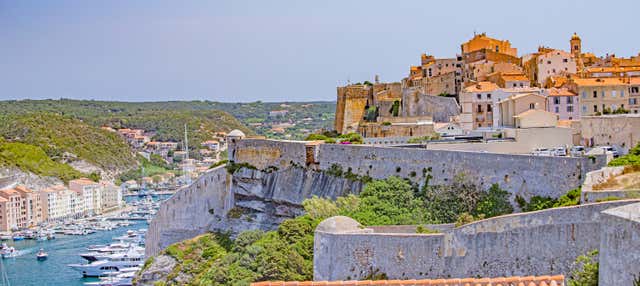
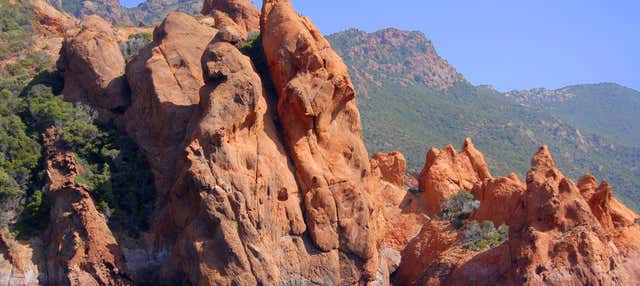
Tours and visits in Ajaccio · Calvi
A few well-rated options near GR20, for the rest days either side of the trail. Prices are the provider’s current starting price.
Affiliate links: if you book through them we may earn a commission, at no extra cost to you. It never changes our stage, distance or luggage information. (Civitatis) How the project is funded
Month by month
Typical conditions through the year. Weather varies from season to season, so treat this as a planning guide and check the forecast close to your dates.
- January Off season
Full alpine winter on the spine. Deep snow, no staffed refuges, and terrain requiring winter skills.
- February Off season
Snowpack at its deepest on the northern cols. Avalanche risk is real and the route is not a trek.
- March Off season
Still buried above 1,800 m. Only ski mountaineers and winter alpinists operate on this ground.
- April Off season
Thaw underway low down, but hard snow persists in north-facing couloirs and refuges stay unstaffed.
- May Off season
Tempting weather in the valleys, yet the high cols remain snowbound and dangerous without axe and crampons.
- June Shoulder
Season opens mid-month. Water plentiful and crowds low, with snow still possible on northern cols.
- July Prime
Reliable conditions, very hot on the granite slabs, and refuges under maximum pressure all month.
- August Prime
Busiest and hottest. Afternoon storms are frequent and pitches at popular refuges run out early.
- September Prime
The most settled month: cooler, quieter, clearer, though some southern water sources run low.
- October Shoulder
Refuges wind down and first snow can arrive on the cols. Southern half stays feasible for a while.
- November Off season
Winter returns to the ridge. No guardians, no food supply, and rapidly deteriorating conditions.
- December Off season
Snowbound and unsupported. The high route is a mountaineering objective rather than a walk.
The sweet spot
The first three weeks of September. Snow is long gone, the granite has cooled, thunderstorm frequency drops, refuges are still staffed, and the competition for beds and pitches eases markedly after the August exodus.
Outside the season
From about mid-October to early June the refuges are unstaffed, with no food, gas or guardian, and the high cols carry snow and ice that demand an axe, crampons and winter judgement. North-facing couloirs on the northern half are avalanche terrain into spring. Water sources may be frozen. The GR20 out of season is a serious winter traverse attempted by a small number of experienced mountaineers, not an off-peak alternative.
Frequently asked
When do the GR20 refuges open?
The park usually staffs them from around the start of June until late September or early October, with the highest and most northerly opening latest. Exact dates shift each year with snow and staffing, and should be checked with the Parc naturel régional de Corse before you plan. Outside the staffed period the buildings stay open as basic shelter, but with no food, gas or guardian.
Can I walk the GR20 in June?
From mid-June onwards it is often fine, and it is one of the quieter windows with water running everywhere. The caveat is snow: north-facing couloirs on the northern half can hold hard old snow into the second half of June, and this is where most serious incidents occur. Check conditions with the park, and be prepared to take the alternative low routes.
How bad are the summer thunderstorms?
They are the main weather hazard. Clear Corsican mornings often build into violent afternoon storms over the ridge, with lightning, hail and sudden temperature drops on exposed slabs and cabled sections. The standard practice is to start at first light and be at the next refuge by early afternoon. Storm frequency usually drops in September, but no month is exempt.
Which month is quietest?
Among the staffed months, mid-June and the second half of September are clearly the quietest, with June the emptier of the two. July and August are the opposite: refuge beds and camping pitches are the binding constraint, and popular sites on the northern half are reserved well in advance. Walking south to north also thins out the company.
Pick a trail.
No sign-up, no sales call. Just the data, the sources and the links you need to plan a long walk properly.