
Stages & pacing
GR20 stages and daily distances
Fifteen days is the standard traverse, an average of only 12 km a day, each one carrying more than 800 m of climb.
The GR20 is set by its refuges, and there are no alternatives. Each stage runs hut to hut because the ground between them is ridge, slab and boulder with nowhere to stop. Water is the second constraint: springs exist but several dry out by August, and the refuges are the reliable source, so a two-litre carry is standard. Bookings for beds and tent pitches open online months ahead, and pitches are what most walkers end up with. Where you sleep is the itinerary; there is no improvising.
Twelve and a half thousand metres of ascent over 180 km is the steepest ratio of any route here, and it explains stages that look absurd on paper. Refuge de Carrozzu to Haut Asco is 6 km. It takes most walkers five hours, because the day includes the Spasimata slabs, a suspension bridge and a climb of around 800 m. Nothing on the GR20 is measured usefully in kilometres. Hours of movement, and the number of times you use your hands, are the honest units.
The traverse splits at Vizzavona, roughly halfway, where a railway station makes it the only straightforward exit. The north, from Calenzana through Refuge d’Ortu di u Piobbu, Refuge de Carrozzu, Haut Asco and the Bergeries de Ballone, is the hard half: granite slabs, chains, scrambling and the rerouted ground that replaced the old Cirque de la Solitude crossing. The south, from Vizzavona through the Bergeries d’E Capanelle towards Bavella and the final 19 km to Conca, is longer in the leg, more forested and a good deal gentler.
Almost every GR20 failure is a pacing failure in the first three days. Walkers arrive off a flight, sleep badly at Calenzana and set off up more than a thousand metres in Corsican heat, and by Haut Asco they are finished. The second mistake is planning a rest day in the wrong place, since the north half has no useful ones. The third is aiming to walk the whole thing in ten days without ever having done consecutive 1,000 m days on rock.
Before or after the walk
Tours and visits in Ajaccio · Calvi
A few well-rated options near GR20, for the rest days either side of the trail. Prices are the provider’s current starting price.
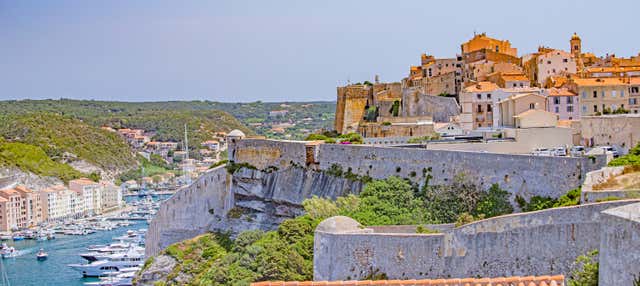
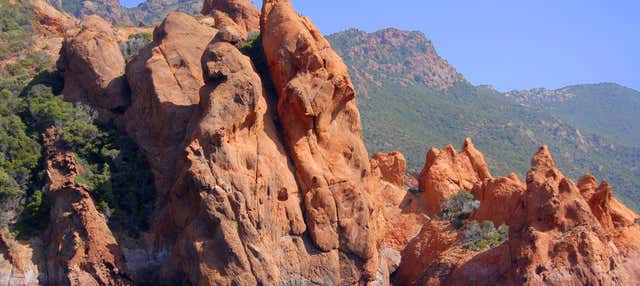
Affiliate links: if you book through them we may earn a commission, at no extra cost to you. It never changes our stage, distance or luggage information. (Civitatis) How the project is funded
Three ways to pace it
Averages worked out from the route’s real distance and ascent, so you can see what each pace actually asks of you day to day.
- Per day
- 13.8 km
- Ascent per day
- 960 m
Thirteen days is already fast here, and merging stages beyond that is genuinely unwise: the refuges are where the water and shelter are, and Corsican afternoon storms are not something to be caught by on an exposed ridge.
- Per day
- 12 km
- Ascent per day
- 830 m
Fifteen days matches the refuge chain, about 12 km and 800 m of climb a day. Most days finish by mid-afternoon, which on this route is not slack in the schedule but insurance against weather and fatigue.
- Per day
- 11.3 km
- Ascent per day
- 780 m
Sixteen days buys one spare day, and on a route where storms close ridges that is the most valuable day in the plan. It suits first-time alpine walkers rather than anyone hoping for genuinely easy days.
These are suggested splits, not an official stage list. Real days are set by where the beds are — always check the accommodation before fixing an itinerary.
Representative stages
- Day 1 Calenzana → Refuge d’Ortu di u Piobbu 12 km
- Day 2 Refuge de Carrozzu → Haut Asco 6 km
- Day 3 Haut Asco → Bergeries de Ballone 9 km
- Day 4 Vizzavona → Bergeries d’E Capanelle 14 km
- Day 5 Bavella → Conca 19 km
- Sample total 60 km
The days people underestimate
Day one from Calenzana to Refuge d’Ortu di u Piobbu, 12 km with a climb of well over a thousand metres, breaks more people than anything later on. Refuge de Carrozzu to Haut Asco is 6 km and still takes five hours over the Spasimata slabs. The last day, Bavella to Conca at 19 km, is long and hot and catches walkers who have mentally finished already.
If you have less time
The GR20 divides cleanly at Vizzavona, which has a station on the Ajaccio to Bastia line. The southern half, from Vizzavona through the Bergeries d’E Capanelle and Bavella to Conca, takes about six days and is the sensible short version. The northern half is more spectacular and considerably harder, and is a poor choice for a first visit.
Frequently asked
How many days does the GR20 take?
Fifteen days is standard for the full traverse, thirteen if you are fit and lucky with the weather, sixteen with a spare day. That is only 12 km a day, but each day averages more than 800 m of ascent on rock, and the refuge spacing leaves little room to invent your own schedule.
Is the GR20 harder in the north or the south?
The north, clearly. Between Calenzana and Vizzavona the route spends its days on granite, with chains, slabs and long climbs such as the 6 km to Haut Asco. South of Vizzavona the stages are longer in distance but forested and far less technical. Many walkers do the north second, when fitter.
Can I skip stages or leave partway?
Vizzavona is the exit most people use, because it has a railway station. Haut Asco and Bavella have road access and can be reached by taxi or seasonal transport. Elsewhere, leaving means walking out down a valley, which is why a spare day in the plan is worth more than a lighter pack.
Do I need to book refuges in advance?
Beds and tent pitches are reserved through the park online system and open months ahead; beds sell out first and pitches later. Booking locks your stage plan for the whole traverse, so build the itinerary you can actually walk rather than the one that fits your flights.
Apply it to a real route
Each trail guide gives you the stages, the season and the permits to plug into this method.