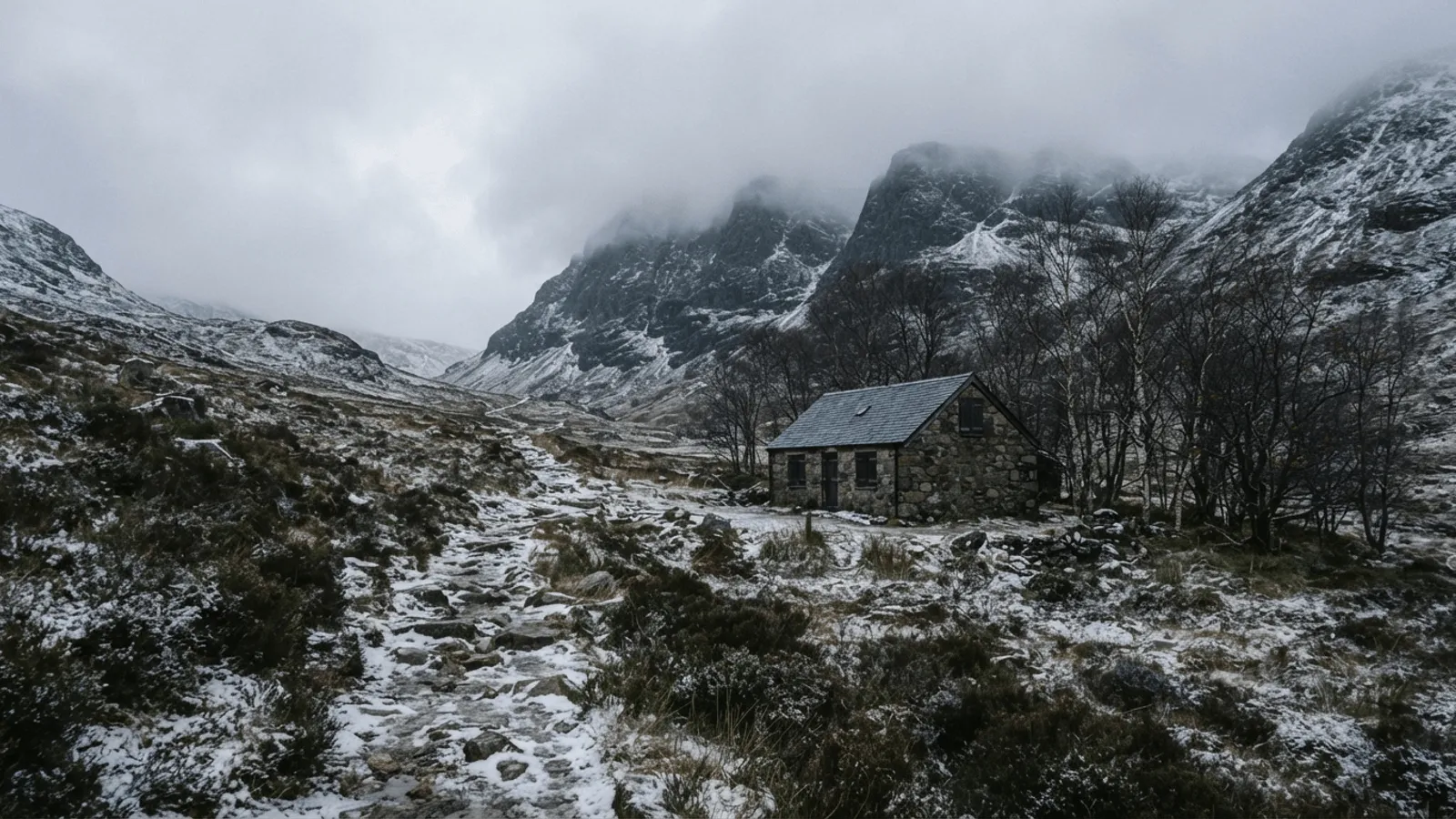
When to go
Best time to walk the Torres del Paine — W Trek
November to March is the southern-hemisphere season, with November and March usually calmer than the windy midsummer.
Torres del Paine sits in the southern hemisphere, so the season runs from late spring to early autumn: November to March. What governs it is wind more than temperature. Patagonian westerlies funnel through the massif and are strongest in December and January, when gusts regularly make the exposed sections above Lago Nordenskjöld and the approach to the base of the towers physically hard work. The park also requires accommodation to be reserved before entry, so the season is defined equally by when the refugios and campsites of the two concessionaires are operating.
December to February is peak, and the crowding is administrative as well as physical. Refugio and campsite capacity along the W is fixed and small, bookings open several months ahead and the popular sites — Chileno for a sunrise at the towers, Francés, Grey — go first. Chilean and Argentine holidays in January and February add domestic demand. On the ground the trail feels busiest on the Torres ascent at dawn, when everyone climbs the moraine together, and quieter in the Francés valley later in the day.
November and March are the shoulder, and both are attractive for the same reason: less wind. November brings long daylight, snow still on the ridges and fewer people, with the risk that early-season weather is unsettled and some sites are only just opening. March gives the lenga forests turning red, calmer air and easier bookings, but daylight shortens quickly, nights turn cold, and the refugios begin closing towards the end of the month. Both need warm kit that midsummer walkers sometimes skip.
Patagonian weather is famous for changing within an hour, and that is the pattern to plan around rather than any monthly average. Summer daytime temperatures typically sit in the low teens Celsius, with wind chill dropping that sharply and snow or hail possible in any month. The towers themselves are often in cloud, which is why a spare day matters more here than on most routes. Rain is heaviest on the western side near Grey. Treat all of this as typical behaviour, not a forecast.
Before or after the walk
Tours and visits in Puerto Natales · Torres del Paine
A few well-rated options near Torres del Paine — W Trek, for the rest days either side of the trail. Prices are the provider’s current starting price.
 Torres del Paine Tripfrom €73.78See details ↗
 Torres del Paine Hikefrom €87.61See details ↗
 Grey Lake Boat Trip + Beach & Glacier Visitfrom €110.67See details ↗
Affiliate links: if you book through them we may earn a commission, at no extra cost to you. It never changes our stage, distance or luggage information. (Civitatis) How the project is funded
Month by month
Typical conditions through the year. Weather varies from season to season, so treat this as a planning guide and check the forecast close to your dates.
- January Prime
Long daylight and warmest conditions, but the windiest month and the hardest for securing bookings.
- February Prime
Still busy with domestic holidays. Wind eases slightly and conditions are generally settled.
- March Shoulder
Autumn colour in the lenga, calmer air and thinner crowds, with sites closing late in the month.
- April Shoulder
Refugios shut through the month, daylight shortens fast and the full W stops being supported.
- May Off season
Winter arrives: snow on the trails, closed accommodation and restricted access for independent walkers.
- June Off season
Shortest days of the year, snow cover and no refugio service. Only guided winter trips operate.
- July Off season
Deep winter. Cold, dark and snowbound, with the W walkable only as an organised guided outing.
- August Off season
Still winter, though light is returning. Trails icy and the standard circuit remains unsupported.
- September Off season
Thaw begins and wind picks up sharply. Accommodation is not yet open for the coming season.
- October Shoulder
Spring conditions and early openings, with unsettled weather and snow lingering on higher sections.
- November Prime
Excellent early season: snow on the peaks, long light, fewer people and less wind than midsummer.
- December Prime
Maximum daylight and full services, offset by the strongest winds and heavy holiday demand.
The sweet spot
November, or the first three weeks of March. Both sit outside the windiest midsummer weeks, both are easier to book than January, and March adds autumn colour in the lenga forest with markedly quieter trails.
Outside the season
From late April to September the refugios and campsites along the W are closed, and the park restricts independent walking on much of the circuit, so the trek is only available as a guided trip with an authorised operator. Snow and ice cover the Torres moraine, daylight falls to eight hours, and ferry and shuttle services run reduced timetables. Winter visits are possible, but they are a different, supported experience.
Frequently asked
Can I do the W Trek in winter?
Only in a limited, supported form. Between roughly late April and September the refugios and campsites are closed and the park restricts independent walking on much of the route, so winter trips run with authorised guides. Snow covers the Torres moraine, daylight is short, and transport within the park is reduced. It is a genuine winter experience, not an off-peak version of the summer trek.
How windy does it really get?
Windy enough to change how you walk. The Patagonian westerlies peak in December and January, and gusts along the exposed shore of Lago Nordenskjöld and on the Torres approach can knock people off balance. Trekking poles help, and so does timing the exposed sections for the morning. Wind eases somewhat in November and March, which is a large part of their appeal.
When do I need to book refugios and campsites?
Early. The park requires proof of accommodation before you enter, capacity along the W is small, and reservations with the two concessionaires typically open several months ahead. For January and February, booking as soon as the season opens is normal, and popular sites such as Chileno go first. Opening dates and systems change, so check the current arrangements before planning.
Which month is quietest within the season?
November and the second half of March are the quietest months with services still running. January and February are busiest, boosted by Chilean and Argentine summer holidays as well as international visitors. Early December is a reasonable compromise. Whichever month you choose, the Torres viewpoint at sunrise is the one place where everybody converges at the same hour.
Pick a trail.
No sign-up, no sales call. Just the data, the sources and the links you need to plan a long walk properly.