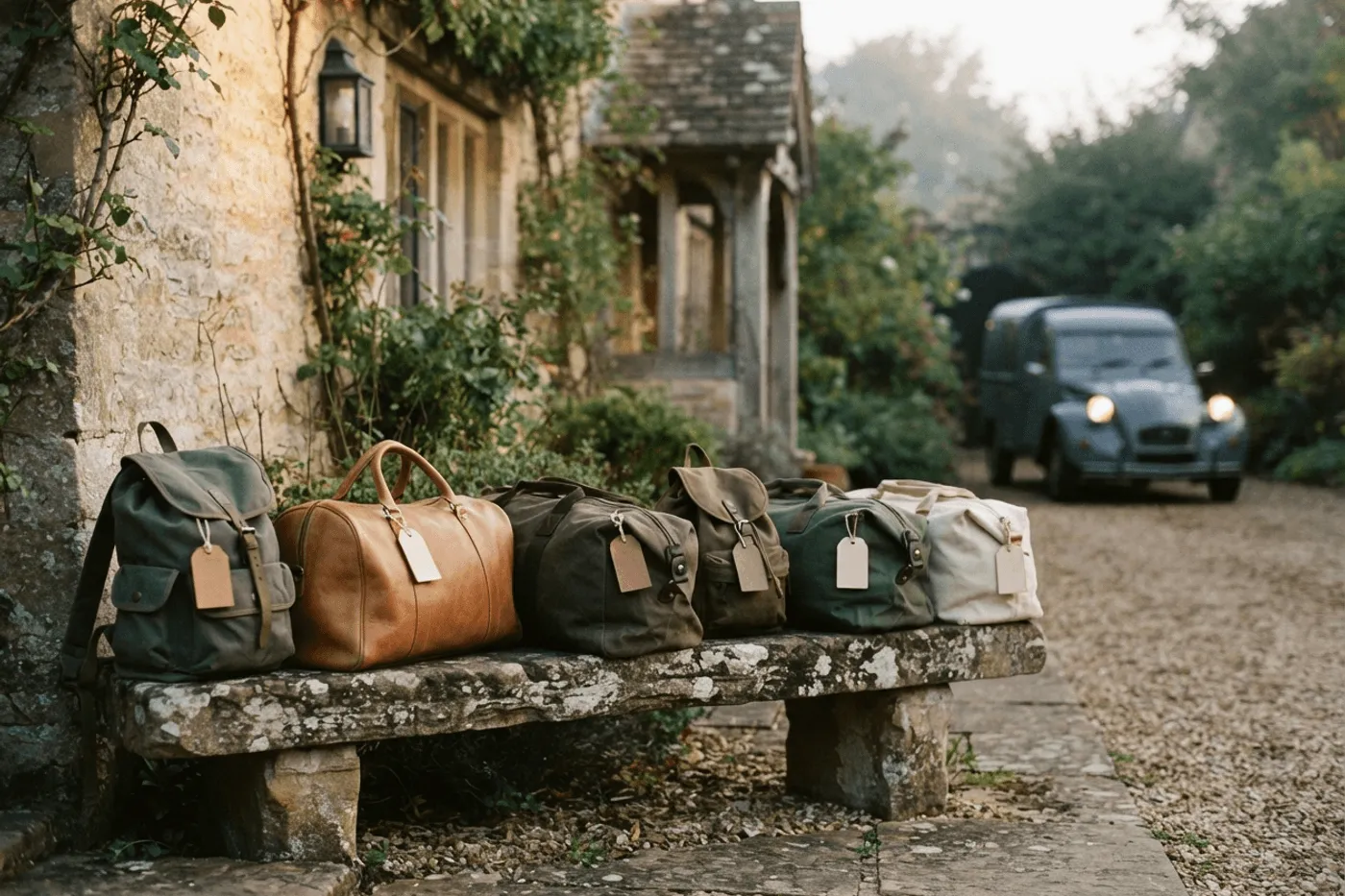
Luggage transfer
Luggage transfer on the Kumano Kodo
Bag transfer covers the road-linked villages of the Nakahechi, but two mountain sections leave you carrying everything for the day.
Two systems overlap. The regional tourism bureau that handles pilgrim bookings for the route operates a same-day baggage shuttle between designated points during the walking season, with an early cut-off, often nine or ten in the morning, and delivery to the next inn by mid-afternoon. Separately, Japan’s door-to-door courier network will forward a suitcase from a hotel or convenience store to a later inn, generally in one or two days rather than the same afternoon. Inns are entirely used to both; you complete a slip at reception and hand the bag over.
City days
In Osaka and Kyoto, on the way to the trail
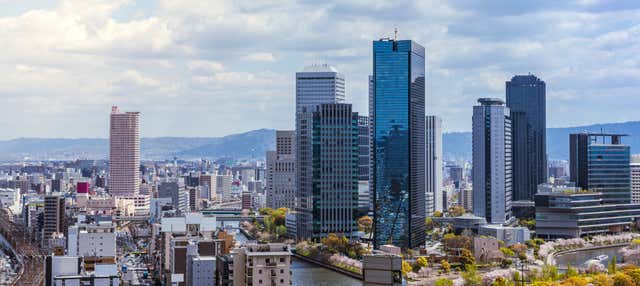
Kansai airport, near Osaka, is the usual way in, and many walkers finish with a few days in Kyoto. Kii-Tanabe, the gateway to the trail, is about two and a half hours away by train. Free walking tours for those city days; they are not a Kumano Kodo package.

Affiliate links: if you book through them we may earn a commission, at no extra cost to you. It never changes our stage, distance or luggage information. (Civitatis) How the project is funded
Before or after the walk
Tours and visits in Kii-Katsuura · Kōyasan
A few well-rated options near Kumano Kodo, for the rest days either side of the trail. Prices are the provider’s current starting price.
 Kii-Katsuura tuna auction at dawn: private guided visitfrom €51See details ↗
 Kōyasan half day with a licensed guide: Okunoin, Kongōbu-ji, Garanfrom €94See details ↗
 Kōyasan full day, private: temples, Okunoin cemetery and shōjin lunchfrom €114See details ↗
Affiliate links: if you book through them we may earn a commission, at no extra cost to you. It never changes our stage, distance or luggage information. (Viator) How the project is funded
National Route 311 follows the Tonda and Hikigawa valleys past Takahara, Chikatsuyu and Nonaka before descending to Hongū, and the pilgrimage path shadows it along the ridges above, dropping back to the road at each village. That is what makes the western half easy to serve. East of Hongū the pattern breaks. The onsen villages of Yunomine, Kawayu and Watarase are on roads, and Shingū and Nachi are on the coast railway, but Koguchi sits on a narrow river road with sparse service, and the Ogumotori-goe crossing from Koguchi over the pass to Nachi has no vehicle access whatsoever.
On a supported day the pack is very light, lighter than on any European route, because the inns provide yukata, towels, soap and both meals. Water, rain gear, cash and a torch for early starts is close to the whole list. The exception is the day from Koguchi to Nachi: a climb of around 600 m up the slope the old pilgrims named for breaking bodies, then a long descent, with no shop and no bail-out. Plan that stage with a full day pack, food and enough water, and start it early.
The inns are small — some take only a handful of guests — and they book out months ahead for spring and autumn, which are the best months to walk. Because the booking system and the baggage shuttle are administered together, most walkers fix the accommodation list first and attach the bag arrangements to it in the same transaction. Typhoon damage and heavy rain close forest sections from time to time; when that happens the road stays open and buses run the valley, so the bag still moves even if you take a bus for part of the day.
What it costs
A shuttle leg between villages commonly runs about ¥1,000 to ¥2,500 per bag, while forwarding a suitcase across the peninsula by courier is nearer ¥1,500 to ¥3,000. Coin lockers at Kii-Tanabe and Shingū stations cost a few hundred yen a day. Japanese carriers revise tariffs regularly, so check the current rate when booking.
Which stages work
The shuttle works between Takijiri, Takahara, Chikatsuyu, Hongū, Yunomine, Kawayu, Watarase, Shingū and Nachi. It does not work for Koguchi, where road service is minimal, or for the Ogumotori-goe pass between Koguchi and Nachi. On that stage, and on the high ridge sections, everything travels on your back.
Frequently asked
Which stage forces me to carry my own pack?
The crossing from Koguchi to Kumano Nachi Taisha. There is no road over the pass, no shop and no shelter for most of the day, and the climb out of Koguchi is steep enough to have earned its old name. Some walkers send the main bag ahead to Nachi or Shingū the day before and carry only what they need.
How does the shuttle differ from a courier?
The shuttle is same-day between fixed points on the route and is booked alongside your accommodation. A courier is the general Japanese door-to-door parcel service, cheap and reliable, but usually needs a day or two in transit. Use the shuttle for tonight’s bag and the courier for a suitcase skipping several stages.
Can I leave a suitcase in Kii-Tanabe or Osaka?
Yes. Station coin lockers and hotel storage are both normal, and Kii-Tanabe is the natural gateway to the Nakahechi. Many walkers leave a case at their Osaka or Kyoto hotel, or forward it from there to their post-trail accommodation, and walk the route with a rucksack containing only a few days of clothes.
What do I actually need to carry with the inns providing so much?
Water, rain gear, a warm layer for the ridges, sun protection, cash, and a small towel. Ryokan and minshuku supply yukata, bath towels, toiletries and two meals, and many have laundry, so two or three changes of clothing is enough. Cash matters more than in Europe: rural inns and buses often do not take cards.
Check your route
Each trail guide states plainly how transfer works on that route.