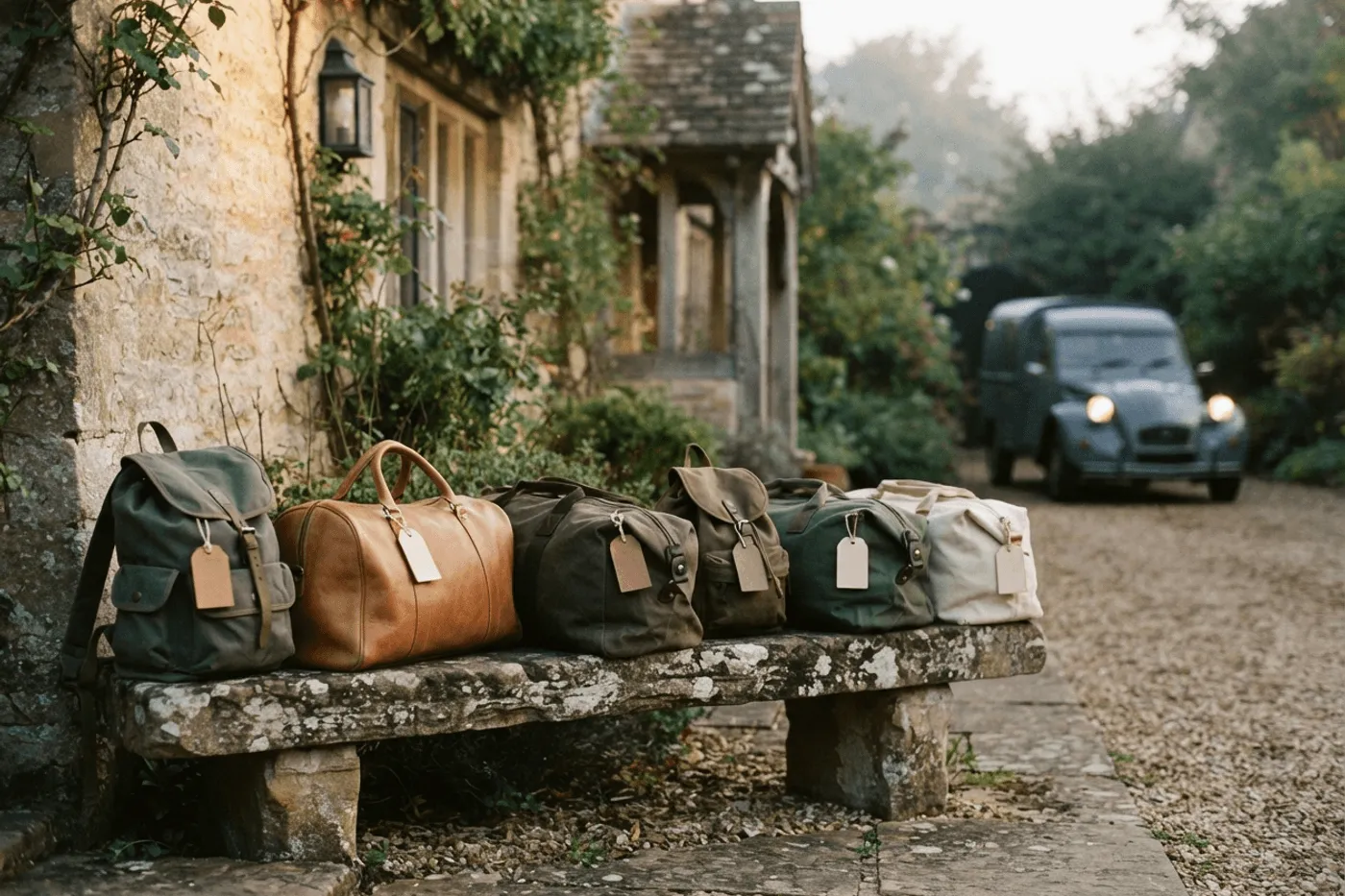
Luggage transfer
Luggage transfer on the Tour du Mont Blanc
Transfer works between the TMB’s valley towns only; the high refuges have no road, so on those nights you carry everything yourself.
The service is run by taxi and shuttle firms based in Chamonix, Les Contamines, Courmayeur and the Swiss valleys, not by a single circuit operator. You leave the bag at your hotel or gîte by eight or nine, and it arrives at the next valley late in the afternoon. The delay is geographic rather than lazy: two overnight stops a day apart on foot can be eighty road kilometres apart, through the Mont Blanc tunnel or over the Col des Montets and the Col de la Forclaz. Drivers cross three countries and two currencies in a working day.
City days
On arrival in Geneva
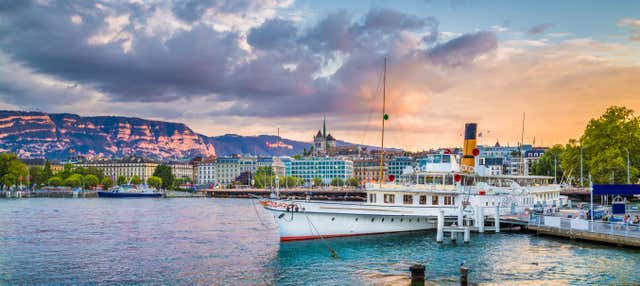
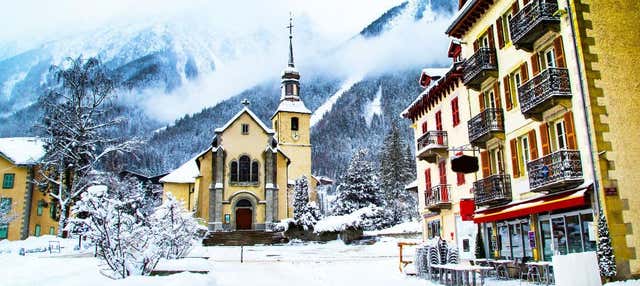
Geneva is the practical airport for Chamonix. With a few hours to spare before the transfer, or an afternoon before the flight home, there is a short cruise on the lake from the city quays. For anyone in your group who is not walking, there is also a coach day trip from Geneva to Chamonix, with commentary in English. Neither is part of the trail.
Before or after the walk
Tours and visits in Chamonix · Courmayeur
A few well-rated options near Tour du Mont Blanc, for the rest days either side of the trail. Prices are the provider’s current starting price.


Look at where the loop actually goes and the pattern is obvious. Vans reach Les Houches, Les Contamines, Les Chapieux at the head of the Vallée des Glaciers, Courmayeur, La Fouly, Champex-Lac, Trient, Argentière and Chamonix. They cannot reach Refuge de la Croix du Bonhomme at 2,443 m, Rifugio Elisabetta under the Glacier de la Lée Blanche, Refuge Bonatti above Val Ferret, or the huts at Lac Blanc and La Flégère on the Aiguilles Rouges balcony. Those places are supplied by mule, helicopter and cable car, which is precisely why the walking there is worth doing.
The practical result is that you pack as though unsupported. Every walker needs a sheet liner for the dormitories, a head torch, full waterproofs and warm layers for cols above 2,500 m, because at least three or four nights of a standard eleven-day circuit are in high refuges. Transfer then becomes a way to move a second bag — town clothes, spare boots, the things you want in Courmayeur but not on Col de la Seigne — from valley to valley, or simply to leave a case in Chamonix and collect it at the end.
Refuges for July and August are usually booked in January or February, and the popular ones fill within days of opening. That fixes the itinerary early, and the bag plan is arranged afterwards around a list of confirmed nights. The awkward part is weather. Thunderstorms and snow on a col push people onto the valley bus more often than most guidebooks admit, and if your bag has already left for the far side of a pass you did not cross, retrieving it costs a day. Keep the driver’s number and change the plan the evening before, not the morning of.
What it costs
A single bag moved between two valleys commonly runs €25 to €50, and the Swiss legs are billed in francs at a broadly similar level. Packages that shuttle one case around the whole loop reach several hundred euros. Rates depend on distance, season and how many bags share the van, so ask for a written quote.
Which stages work
Nights that work: Les Houches, Les Contamines, Les Chapieux, Courmayeur, La Fouly, Champex-Lac, Trient, Argentière and Chamonix. Nights that do not: Croix du Bonhomme, Elisabetta, Bonatti, Lac Blanc and La Flégère. An itinerary using valley stops throughout can be fully supported; the classic high-refuge version cannot.
Frequently asked
Can I do the whole TMB without carrying a big pack?
Only by rebuilding the itinerary around valley towns and using cable cars or buses to reach them, which changes the walk considerably and adds cost. The standard circuit spends several nights in refuges with no road, and on those nights everyone carries their own kit, including guided groups.
Why does the bag take all day to arrive?
Because the van cannot cross the pass you just walked over. Between Les Contamines and Courmayeur, for instance, the road route runs down to the Arve valley and through the Mont Blanc tunnel. Drivers batch several clients into one long circuit, so an afternoon or early evening arrival is normal and worth planning around.
What do I still have to carry on a supported day?
Waterproof jacket and trousers, an insulating layer, hat and gloves, two litres of water, food for the col, sun protection, a head torch, a small first aid kit and any medication. Weather on the high cols turns quickly even in August, and there is no shelter between huts. That is five to seven kilos before anything optional.
Where can I leave a suitcase for the whole circuit?
Chamonix is the usual choice, since the loop starts and finishes there. Hotels, hostels and some sports shops hold luggage, and the town has left-luggage facilities near the station. Courmayeur works for anyone doing a half tour. Confirm the arrangement in advance rather than turning up with a case on the morning you set off.
Check your route
Each trail guide states plainly how transfer works on that route.