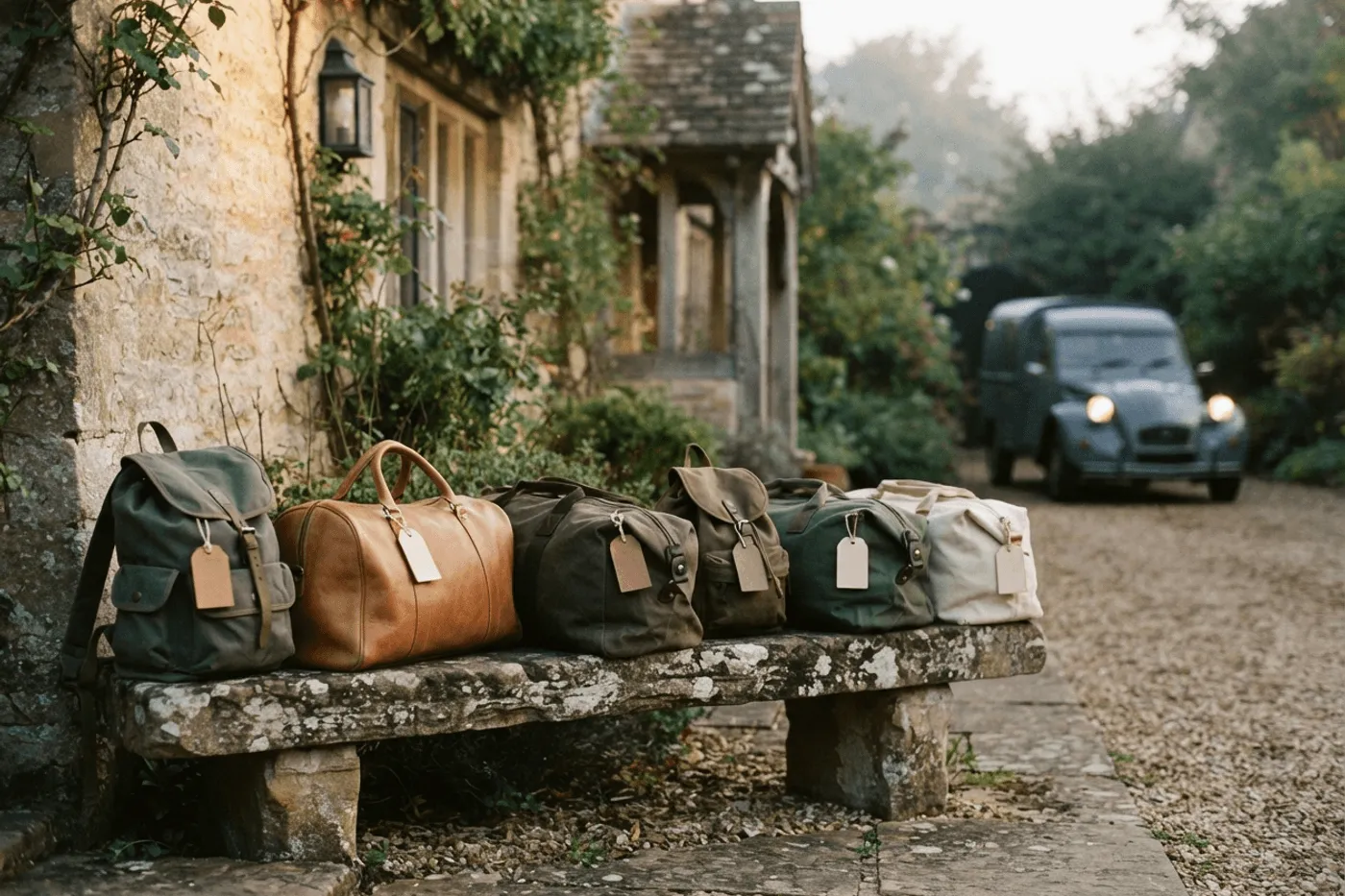
Luggage transfer
Luggage transfer on the Via Francigena
Daily bag transfer covers the Tuscan and Lazio stages between Lucca and Rome, though the network is thinner than on the Camino.
The services are smaller operations than their Spanish equivalents: regional taxi firms, pilgrim-focused agencies covering a few provinces each, and agriturismo owners who run bags for their own guests. Collection is early, usually by eight, with the bag left at reception and the next address written out in full. Delivery tends to come later than on the Camino, mid to late afternoon, because a driver covers more kilometres between fewer clients. Booking is normally done online the previous day, and a phone number for the receiving host is part of the form.
Before or after the walk
Tours and visits in Rome
A few well-rated options near Via Francigena, for the rest days either side of the trail. Prices are the provider’s current starting price.
 Vatican Museums & Sistine Chapel Guided Tourfrom €74.25See details ↗
 Colosseum, Roman Forum & Palatine Hill Tourfrom €49See details ↗
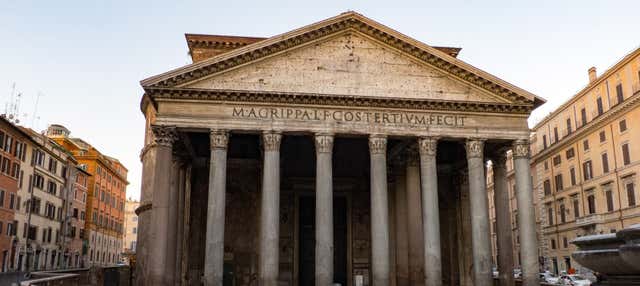 Pantheon Skip The Line Ticketfrom €11See details ↗
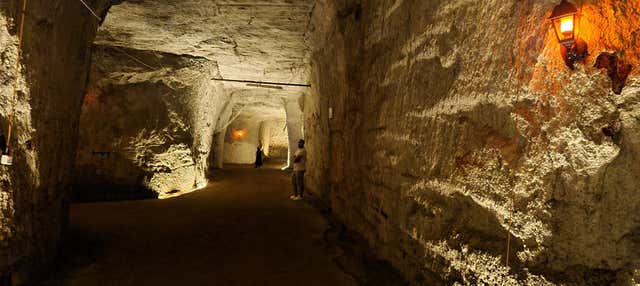 Rome Underground Tourfrom €80See details ↗
Affiliate links: if you book through them we may earn a commission, at no extra cost to you. It never changes our stage, distance or luggage information. (Civitatis) How the project is funded
The corridor makes it possible. From Lucca the route crosses the Arno plain, climbs into the Tuscan hills and then follows the line of the old Via Cassia south through Siena, the Val d’Orcia, Radicofani, Bolsena and Viterbo before dropping into the Roman campagna. Stage ends sit on hilltops with roads to them — San Miniato, Gambassi Terme, San Gimignano, Monteriggioni, Montefiascone, Sutri, Campagnano di Roma. The complication is not the towns but the beds: a great deal of accommodation is an agriturismo two or three kilometres down an unsurfaced white road with no house number.
Walking with a day pack matters most in the second half. Between Ponte d’Arbia and Radicofani, and again across Lazio, stages run long and open with little shade, and April to October regularly delivers temperatures that make a full rucksack the difference between finishing at noon and finishing at four. Even unladen you will carry two to three litres of water, a hat and food, because village bars close in the afternoon and some hamlets have nothing at all. Shedding the main bag buys you an earlier start and a slower pace in the heat.
Because there are fewer beds per stage than in Spain, most walkers book the whole route before leaving, and the transfer plan simply mirrors that list. Confirm each address with a phone number, and expect some hosts to be out during the day, so bags are left in a porch or with a neighbour. Changing plan mid-route is harder here than on the Camino: fewer drivers, fewer alternatives within walking distance. If you need to shorten a day, the regional bus and train network in Tuscany is good, and the bag can be redirected to the same night’s address.
What it costs
Rates commonly sit between €10 and €20 per bag per stage, higher where an agriturismo lies well off the route or a driver crosses provincial boundaries. Some hosts arrange the transfer and add it to your bill. Italian pricing shifts with fuel and season, so treat any published figure as indicative and confirm when you book.
Which stages work
The well-walked spine from Lucca to Rome is covered throughout. Harder stages to serve are Ponte d’Arbia and the scattered Val d’Orcia hamlets, the hill climb to Radicofani, and isolated agriturismi on the Lazio stretch between Acquapendente and Viterbo, where deliveries can arrive well into the evening.
Frequently asked
Is transfer as reliable as on the Camino de Santiago?
The service is real and used daily, but the network is thinner and less standardised. Fewer drivers cover more ground, so late deliveries are more common and same-day changes are harder. Give the operator a working phone number for both you and the host, and confirm the following night the evening before rather than in the morning.
What is the weight limit?
Most Italian operators state 20 kg for a single bag and will refuse anything heavier or awkwardly shaped. One bag per person per fee is the norm. Keep your passport, credential, phone, money and any medication in the day pack, and treat the transferred bag as something you will not see again until evening.
How do I handle an agriturismo that is off the route?
Give the full address, the province, and a mobile number for the owner, and ask whether the driver has served that address before. Many rural properties are on unnamed white roads and satellite navigation is unreliable. Owners who regularly host pilgrims usually have an arrangement with a specific driver and will book it for you.
Does the service run all the way into Rome?
Coverage continues through Sutri, Campagnano di Roma and La Storta, and into hotels in the city. The final stages run through built-up outskirts where traffic makes delivery times less predictable. Confirm your Rome accommodation can accept a bag at reception during the day, since many small guesthouses are staffed only at certain hours.
Check your route
Each trail guide states plainly how transfer works on that route.