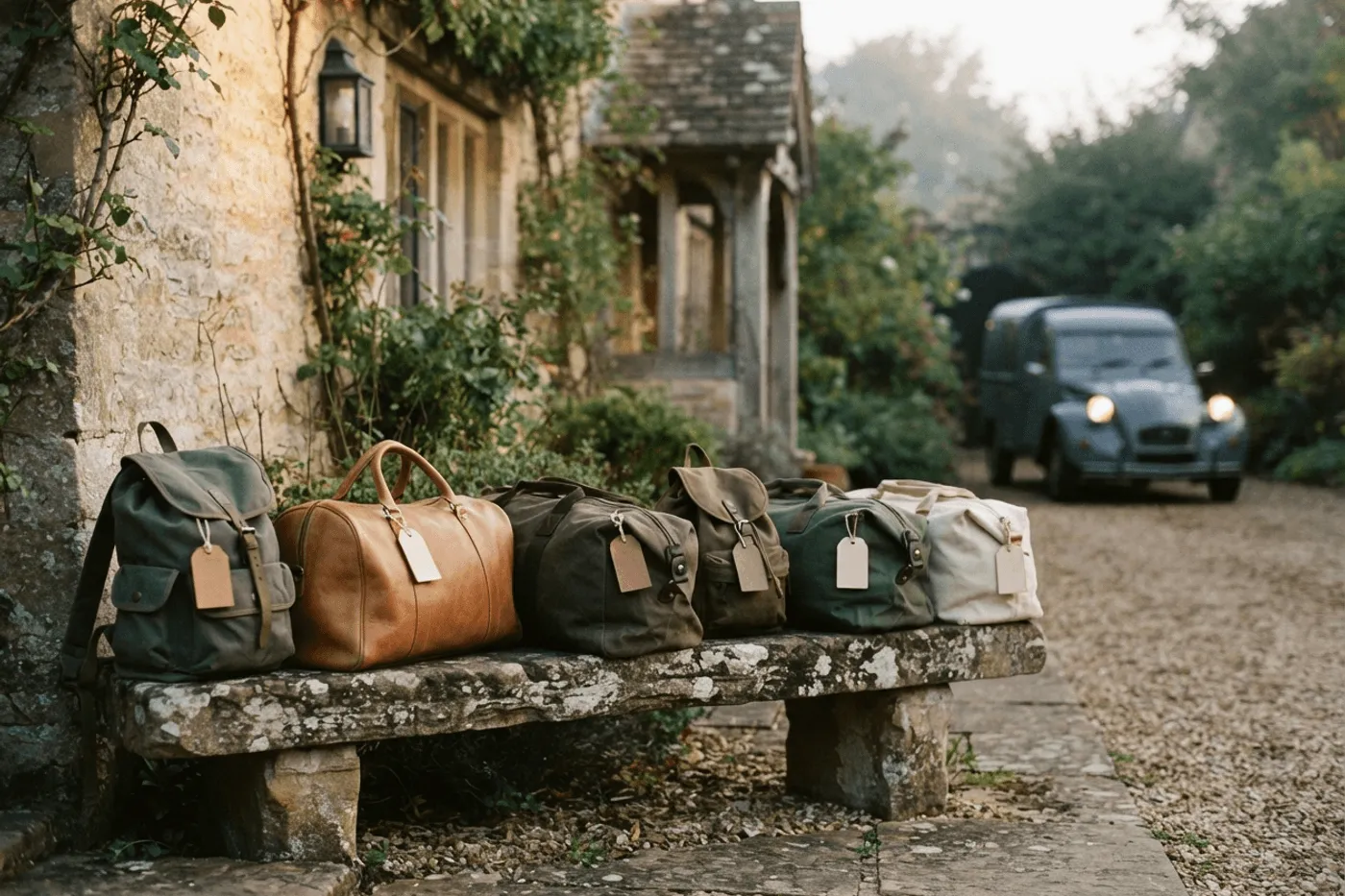
Luggage transfer
Luggage transfer on the Rota Vicentina
Bag transfer runs daily between the villages of the Fishermen’s Trail, and every overnight stop on the route is reachable by road.
The service is run by local taxi firms and small transfer companies, often the same drivers who collect walkers from Lisbon and Faro airports. You leave the bag at the guesthouse before nine and it is normally at the next one by early afternoon. Booking is done by phone, by message, or simply through the guesthouse, which usually has a driver it works with, and the trail association publishes a list of services. Payment is cash or transfer, and drivers are used to consolidating several walkers into one run.
Before or after the walk
Tours and visits in Lagos
A few well-rated options near Rota Vicentina, for the rest days either side of the trail. Prices are the provider’s current starting price.
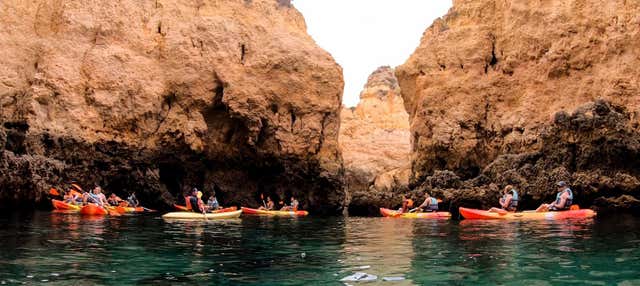 Ponta da Piedade Caves Kayak Tourfrom €35See details ↗
 Sagres Coast Sunset Jeep Tourfrom €63See details ↗
Affiliate links: if you book through them we may earn a commission, at no extra cost to you. It never changes our stage, distance or luggage information. (Civitatis) How the project is funded
The path itself is the one thing no vehicle can use: it runs on cliff top, dune and soft sand along the Alentejo and Vicentina coast. But the villages sit a few kilometres inland on a proper road network, the N390, N393 and the smaller M-roads, and they follow in a neat line — Porto Covo, Vila Nova de Milfontes, Almograve, Zambujeira do Mar, Odeceixe, Aljezur, Arrifana, Carrapateira, Vila do Bispo, Sagres, Lagos. The one break is the Mira estuary at Vila Nova de Milfontes, where walkers cross by ferry or footbridge and the bag always goes round by the road bridge.
This is a route where a light pack changes the day substantially. Long stretches are on soft sand, which drains energy faster than any gradient, and the coast has almost no shade and few taps between villages. Walking with two or three litres of water, sun protection and a windproof is enough, and that is what most people carry. Add fifteen kilos on your back and the sand sections become genuinely hard work, particularly on the twenty-two kilometres from Almograve to Zambujeira do Mar in the middle of the day.
These are small villages with limited beds, and April, May, September and October fill early, so the accommodation is booked well ahead and the transfer arranged alongside it. Outside high summer a day or two of notice is usually enough for the bag itself. Because the same drivers move both bags and people, plans are easy to change: if the wind or heat cuts a day short, a taxi between two villages costs about what the bag run does, and you can join your luggage rather than the other way round.
What it costs
Roughly €10 to €20 per bag per stage is normal, with the longer hops toward Sagres and Lagos at the higher end and shared runs at the lower. Some guesthouses arrange the driver and add the charge to your bill. Portuguese rates change with the season and fuel, so confirm the figure when you book rather than assuming.
Which stages work
Every Fishermen’s Trail village between Porto Covo and Lagos is served. The complications are the Mira estuary crossing at Vila Nova de Milfontes, where you and the bag take different routes; isolated guesthouses on the inland Historical Way between São Luís and Monchique; and campsites away from the village centres, where a driver may need directions.
Frequently asked
Does transfer work on the inland Historical Way as well?
Yes, but coverage is thinner than on the coast. The inland villages are further apart and some accommodation is isolated, so drivers cover more ground for fewer clients and charge accordingly. Give the full address and a phone number for the host, and allow a later arrival than you would expect on the Fishermen’s Trail.
How do bags cross the river at Vila Nova de Milfontes?
By road. Walkers use the ferry across the Mira or the bridge upstream, but the driver always takes the road bridge, which adds a detour of several kilometres. It makes no practical difference to when the bag arrives, and it is a standard part of the run for anyone working this section of the coast.
Is the service available outside the main season?
Broadly yes, since the drivers are local taxi firms working year round rather than seasonal operators. What thins out in winter is the accommodation: several guesthouses close from November to February. Confirm your beds first, then the transfer, and expect fewer options and less frequent runs in the quietest months.
What should I carry on a supported day?
Two to three litres of water, sun protection including a hat, a windproof layer, and food for the middle of the day. The coast is exposed and the Atlantic wind is constant, but shade and taps are scarce and some stages pass no village at all. Gaiters or high socks help on the deeper sand sections.
Check your route
Each trail guide states plainly how transfer works on that route.